

KYIV, Ukraine (AP) — Ukrainian drones hit more Russian oil facilities and set two oil tankers ablaze in the Sea of Azov on Thursday, a day after U.S. President Donald Trump pledged to grant Kyiv a license to manufacture the Patriot air defense systems to protect its cities.
A top Ukrainian official, meanwhile, cautioned that it could take a year or more for the country to produce Patriot interceptor missiles.
The Kremlin said the license deal reflected what it called Washington's “ambivalence” but noted it appreciated Trump’s efforts to help broker a peace deal to end the war, which Russia launched over four years ago.
Ukraine's drone strikes on oil refineries and other infrastructure across Russia has triggered a widespread fuel crisis with gasoline shortages and rationing in multiple regions and motorists waiting for hours to fill their tanks. Moscow has responded by intensifying its bombardment on Kyiv and other cities, exposing Ukraine's vulnerability to ballistic missile strikes.
Ukrainian President Volodymyr Zelenskyy described the latest strikes on Russia's infrastructure as part of Kyiv’s campaign of “long-range sanctions” carried out in response to Moscow's refusal to halt the fighting.
“We have long proposed that Russia end this war, and every day of delay should bring the feeling of war to where it all began — to Russia,” Zelenskyy said.
A Ukrainian drone strike triggered a fire at an oil depot in the western Russian city of Tver, according to acting Gov. Vitaly Korolyov.
Oil reservoirs also were set ablaze by drones in Vyazniki, in the southern Stavropol region, said Gov. Vladimir Vladimirov, forcing the evacuation of several apartment buildings near the facility.
In the Sea of Azov, Ukrainian drones set two oil tankers on fire, according to Rostov Gov. Yuri Slusar, who said one of the ships was still burning and its crew evacuated.
The attack was the latest in a series of strikes on oil tankers in the area in recent days, part of Ukraine efforts to cut fuel supplies to the Crimean Peninsula, which Russia illegally annexed in 2014.
In addition to strikes on oil facilities in Stavropol and Tver, Zelenskyy said Ukrainian forces hit fuel infrastructure deep inside Russia, including one in Ufa, as well as an oil-loading terminal in the Rostov region closer to Ukraine.
Russia’s Defense Ministry said its defenses downed 73 Ukrainian drones from late Wednesday into early Thursday.
Ukraine's air force said Russia fired 94 long-range strike drones and two ballistic missiles. While 72 drones were jammed or intercepted, 19 drones and both missiles damaged 13 locations, it said.
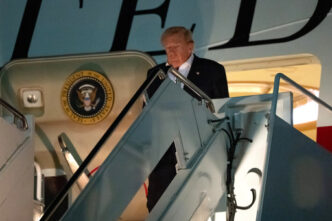
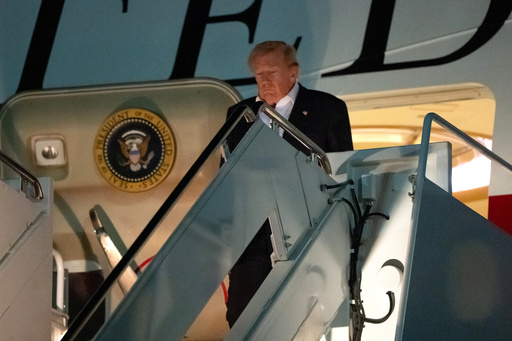
During Wednesday’s meeting with Zelenskyy on the sidelines of the NATO summit in Turkey, Trump said the U.S. will meet a longstanding request from Ukraine and give it a license to make the Patriot air defense systems. He also praised Zelenskyy for doing "an amazing job” — a sharp change in tone from past criticisms of the Ukrainian leader.
But setting up domestic production of the mobile, surface-to-air systems will take many months, said Serhii Beskrestnov, an adviser to Ukraine’s defense minister.
A production license would typically come with technical process documentation, training for specialists, supplier contacts and foreign consultants to help launch manufacturing, Beskrestnov wrote on his Telegram messaging app.
The main obstacle would be time, rather than Ukraine’s technical or organizational capacity, he added.
Recent media reports pointed to two likely bottlenecks: the long production cycle for some subcontracted components, which could take 12 to 24 months, and limited global output of key parts, including components supplied by Boeing and L3Harris, Beskrestnov added.
The Pentagon had signed contracts to expand production capacity, he said, but added that the timeline for those contracts to translate into increased output remained unclear.
Commenting on Trump’s statement about the Patriot missile licenses, Kremlin spokesman Dmitry Peskov offered a vague response, saying Moscow is aware of the U.S. military support for Ukraine but appreciates Washington’s declared commitment to help achieve peace.
“The U.S. position is somewhat ambivalent,” Peskov said in a call with reporters. “Still, unlike the Europeans, the United States maintains a desire to facilitate a move toward a peace process. They may be misguided or mistaken at times, but we see that desire as sincere. We welcome it, and we hope that once the Americans manage to resolve the situation regarding Iran despite the significant complications involved their efforts on the Ukrainian track will resume.”
Asked about Trump’s comment that Ukrainian attacks deep inside Russia could hasten a peace settlement, Peskov reaffirmed that the more strikes Kyiv launches, the broader “security zone” Moscow will seek to carve out in Ukraine via what the Kremlin calls its “special military operation.”
“It’s a mistake to think that escalation and military pressure could pave the way to a peaceful settlement,” Peskov said. “Further escalation may prolong the special military operation, we can’t say precisely to what extent, but it will force us to create a larger security zone, a larger buffer zone. Therefore, inciting tensions and taking escalatory action will in no way contribute to the peace process.”
Ukraine has urged the U.S. and other allies to provide binding security guarantees as part of any prospective peace deal, including the deployment of NATO forces. Russia has strongly warned against the presence of any NATO troops in Ukraine, saying it would view them as legitimate targets.
Asked Wednesday if he would be ready to enact a no-fly zone over Ukraine as part of security guarantees, Trump responded by saying “if it’s necessary, yeah,” but he argued that it might not be needed if a peace deal is reached.
“When we have a deal, we’re going to have a deal, security guarantee or no security guarantee,” Trump said as he sat next to Zelenskyy.
Commenting on the issue, Peskov warned that an attempt to establish a no-fly zone would amount to “NATO military forces being active on the territory of Ukraine — exactly what the special military operation is being waged against.”
Peskov said President Vladimir Putin is “open to dialogue” and ready for another phone call with Trump.